
Interpol Operation Leads to 5,811 Arrests, $293m Seized Across 97 Countries as Gambling Links Surface
Illegal online gambling surfaced repeatedly during Interpol's latest global anti-fraud operation, which resulted in 5,811 arrests and nearly $300 million in seized assets across 97 countries.
Illegal online gambling surfaced repeatedly during Interpol's latest global anti-fraud operation, which resulted in 5,811 arrests and nearly $300 million in seized assets across 97 countries.
Interpol’s latest global anti-fraud operation resulted in 5,811 arrests and the interception of $293 million in illicit assets, with illegal online gambling networks emerging as a recurring feature of investigations spanning 97 countries and territories.
Operation First Light 2026 ran from January 15 to April 30. It focused on combating social engineering scams and the associated money laundering.
The campaign targeted social engineering, a broad term for fraud that exploits victims’ trust to steal money or sensitive information. This includes email compromise, romance scams, sextortion, investment fraud, and impersonation. It also tracked laundering networks that moved the proceeds of this fraud. Interpol identified 142,000+ victims.
The announcement details how investigators assessed 152,808 cases. They closed 23,715 of them, blocked 31,014 bank accounts and identified a further 15,606 suspects. Investigators issued 99 Interpol Notices and Diffusions.
Speaking about criminal syndicates, Interpol’s Financial Crime and Anti-Corruption Centre Director, Tomonobu Kaya, said they “exploit human psychology to manipulate their targets.” Kaya added that the problem can affect any country.
Illegal Gambling Networks Surface During Global Fraud Crackdown
Two of the five case studies that Interpol chose to publicize directly involve gambling. In Eswatini, police arrested 82 people and dismantled an illegal online gambling network, alongside money laundering and impersonation scams.
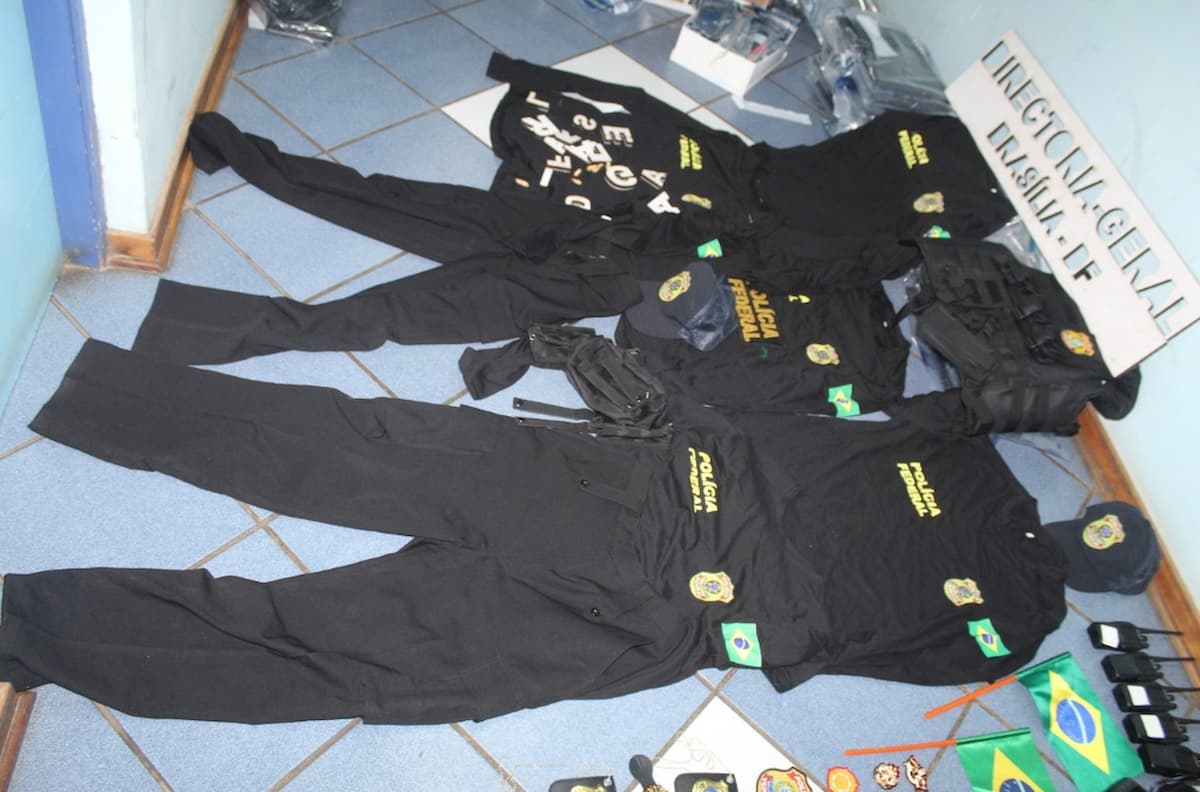
The most striking discovery was a replica Brazilian police station, complete with fake uniforms, signage and equipment. The criminals posed as members of Brazil’s Federal Police and used video calls to persuade targets to move money into “safekeeping” accounts.
The other case occurred in Palau, a collection of 500+ islands in the western Pacific Ocean. There, police apprehended 22 people in two scam centers, which included illegal gambling websites.
Interpol has coordinated First Light efforts since 2014, with funding from China’s Ministry of Public Security and support from ASEANAPOL, GCCPOL and Europol.
The operation has expanded significantly since 2024. The number of participating jurisdictions has increased by more than half, and total arrests have risen by 47%.
Social Engineering Has Already Cost Gambling Companies Millions
While only two of Interpol’s highlighted cases directly involved illegal gambling, the operation also underscored how fraud techniques such as social engineering have repeatedly targeted major gambling companies themselves.
The most prominent examples remain the September 2023 cyberattacks against MGM Resorts and Caesars Entertainment. The group known as Scattered Spider identified employees on LinkedIn, called the IT help desk, impersonated them, and talked their way to credential resets. From there, they gained access and installed ransomware.
Caesars reportedly decided to pay a $15 million ransom, half the original demand. MGM refused to pay, after which slot machines went dark and operations across its Las Vegas properties were severely disrupted.
The incident was estimated to have cost MGM upward of $100 million, and the company reached a $45 million settlement with affected customers in early 2025. U.K. authorities later arrested several suspects linked to the Scattered Spider group, including a 17-year-old accused of participating in cyberattacks.
In another noteworthy attack, crypto casino Stake lost about $41 million. The incident occurred the same month as the MGM and Caesars breaches.
Authorities Continue to Struggle Against Expanding Fraud Networks
The uncomfortable reality that First Light 2026 highlights is that authorities continue to struggle to keep pace with the scale of financial losses generated by these schemes. The Federal Trade Commission logged $3.5 billion in U.S. losses from imposter scams in 2025.
The FBI put U.S. losses to cyber-enabled crime at nearly $21 billion for the same period. These figures describe one country, and First Light tried to cover 97 nations.
The people on the receiving end of the losses are often individuals who can’t absorb the same hit that major companies like MGM and Caesars can.
Social engineering does not require a sophisticated software exploit. In many cases, all it takes is a plausible script and someone willing to believe it. That remains one of the biggest challenges facing law enforcement authorities in the future.